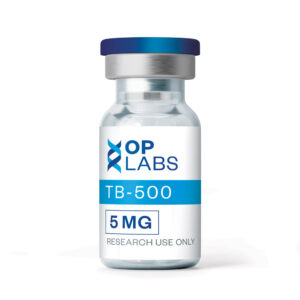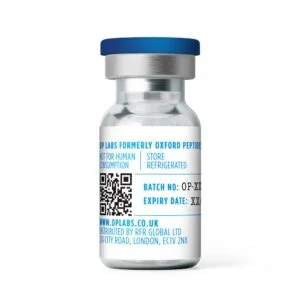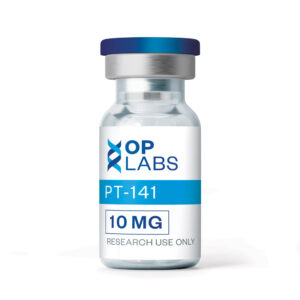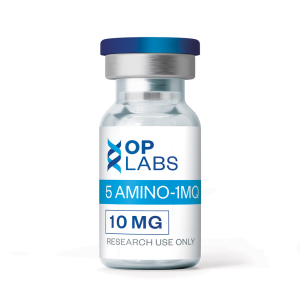
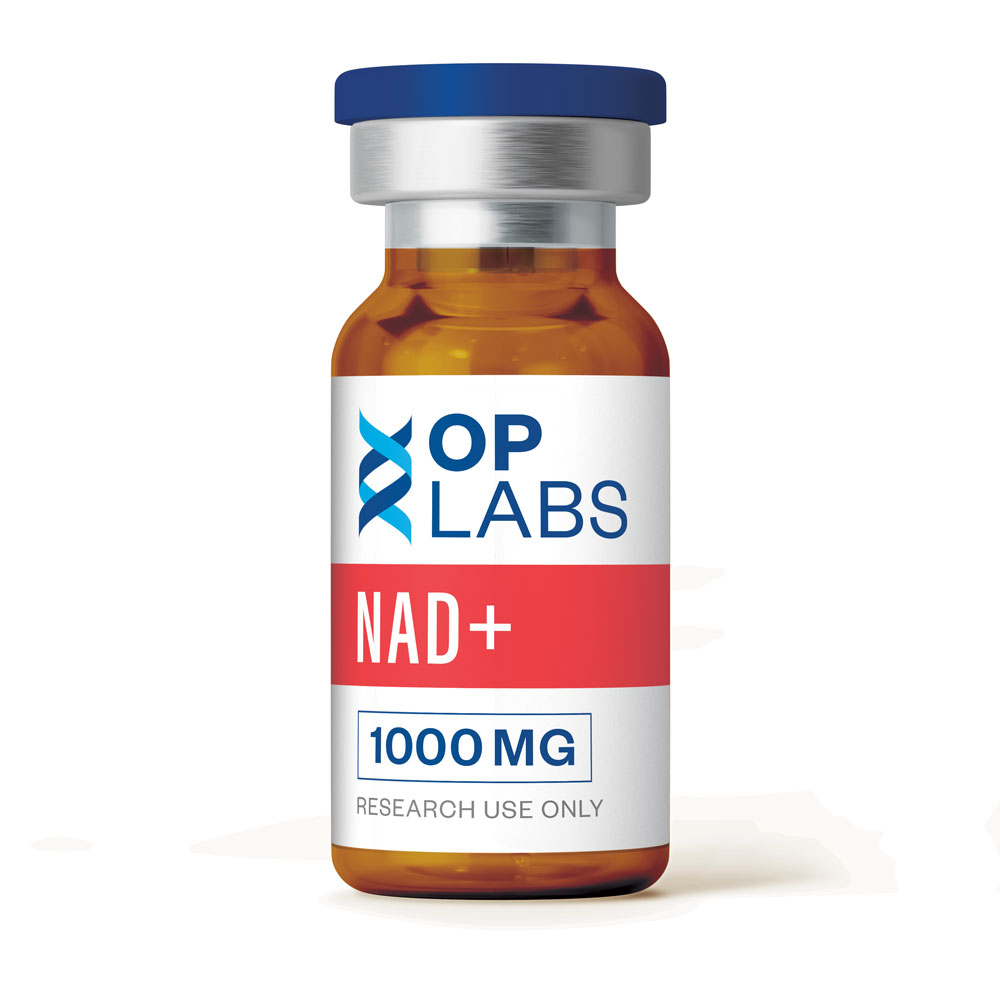
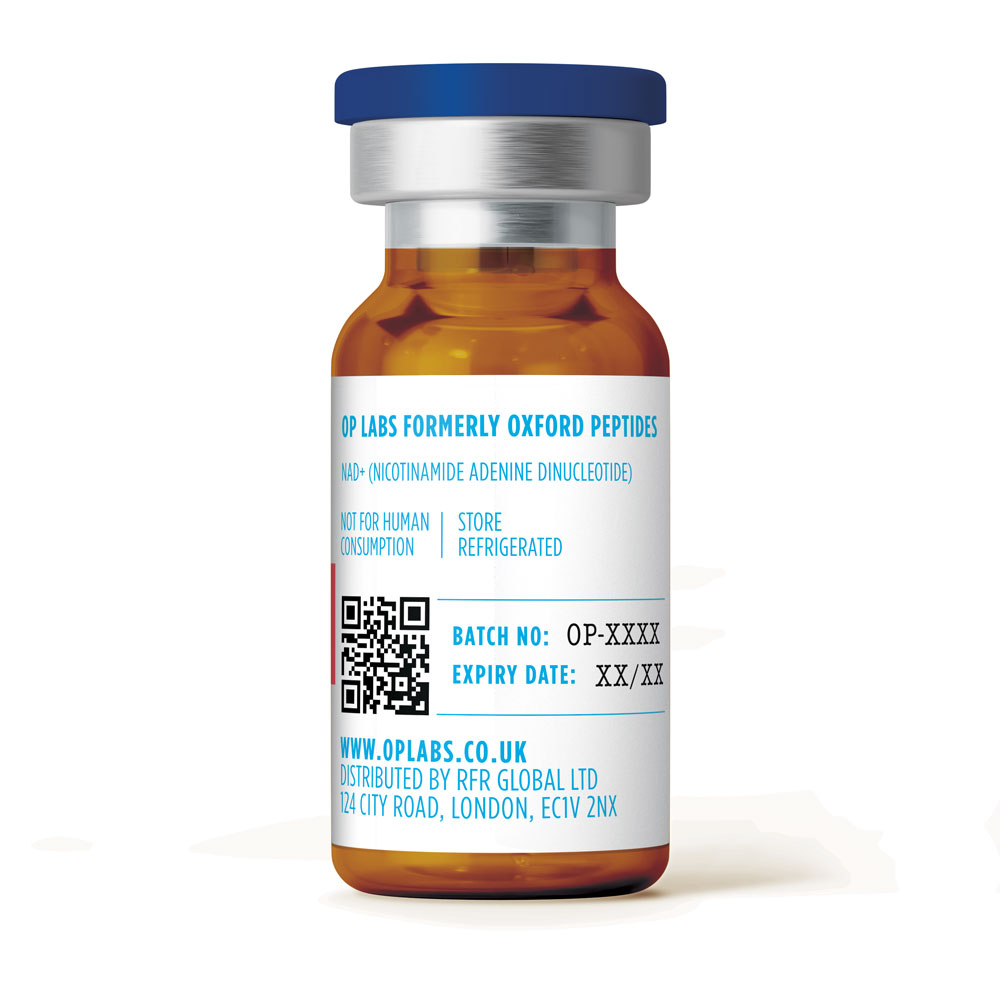
- OP Labs formerly Oxford Peptides
- Batch HPLC tested at ≥ 99% purity
- Storage: –20 °C long term; 2–8 °C short term
- Sold for research purposes only
NAD+
Synonyms / Designations: NAD+, Nicotinamide Adenine Dinucleotide (oxidised form), β-NAD+
CAS Number: 53-84-9
Molecular Formula: C21H27N7O14P2
Molar Weight: ~663.43 g/mol
Compound Type: Pyridine nucleotide coenzyme
Purity: 99 % (HPLC, typical)
Appearance: White to off-white powder
Pack Size: 1000mg (total)
Storage: Desiccated, protected from light, stored at –20 °C or below
Solubility: Soluble in water and buffered aqueous solutions
Description & Mechanism
Nicotinamide adenine dinucleotide (NAD+) is an endogenous pyridine nucleotide that functions as a central redox cofactor and signalling molecule in cellular metabolism. In its oxidised form, NAD+ participates in electron transfer reactions fundamental to oxidative phosphorylation, glycolysis, and mitochondrial energy production.
In biochemical and cellular research systems, NAD+ is extensively studied for its role in redox balance, substrate availability for NAD+-dependent enzymes, and regulation of intracellular signalling pathways. These include sirtuins, poly(ADP-ribose) polymerases (PARPs), and cyclic ADP-ribose–generating enzymes involved in DNA repair, chromatin regulation, and calcium signalling. Experimental outcomes are influenced by intracellular NAD+/NADH ratios, compartmentalisation, and metabolic state of the model system.
Applications in Research
• Investigation of cellular redox metabolism and mitochondrial function
• Studies of NAD+-dependent enzymes including sirtuins and PARPs
• In vitro research on energy homeostasis and metabolic signalling pathways
• Use as a reference compound in enzymology and metabolic research
Handling & Stability
- Store in a cool dark place. Discard 30 DAYS after opening.
- Shelf life: 30 MONTHS from production
Specifications Summary
Purity (HPLC): ≥ 99%
Appearance: White to off-white powder
Compound Type: Pyridine nucleotide coenzyme
Molecular Weight: ~663.43 g/mol
Solubility: Water, buffered aqueous solutions
Storage: –20 °C, desiccated, dark
Pack Size: 1000mg
Precautions & Notes
- Experimental behaviour of NAD+ is influenced by pH, temperature, and redox environment.
- NAD+ is sensitive to hydrolysis under acidic or basic conditions.
- Appropriate controls are recommended when interpreting enzyme-dependent effects.
- Intended strictly for laboratory research use only; not for human or veterinary application.
Keywords :NAD+, Nicotinamide Adenine Dinucleotide, Pyridine Nucleotide, Redox Cofactor, Mitochondrial Metabolism, Enzymology, Metabolic Research