
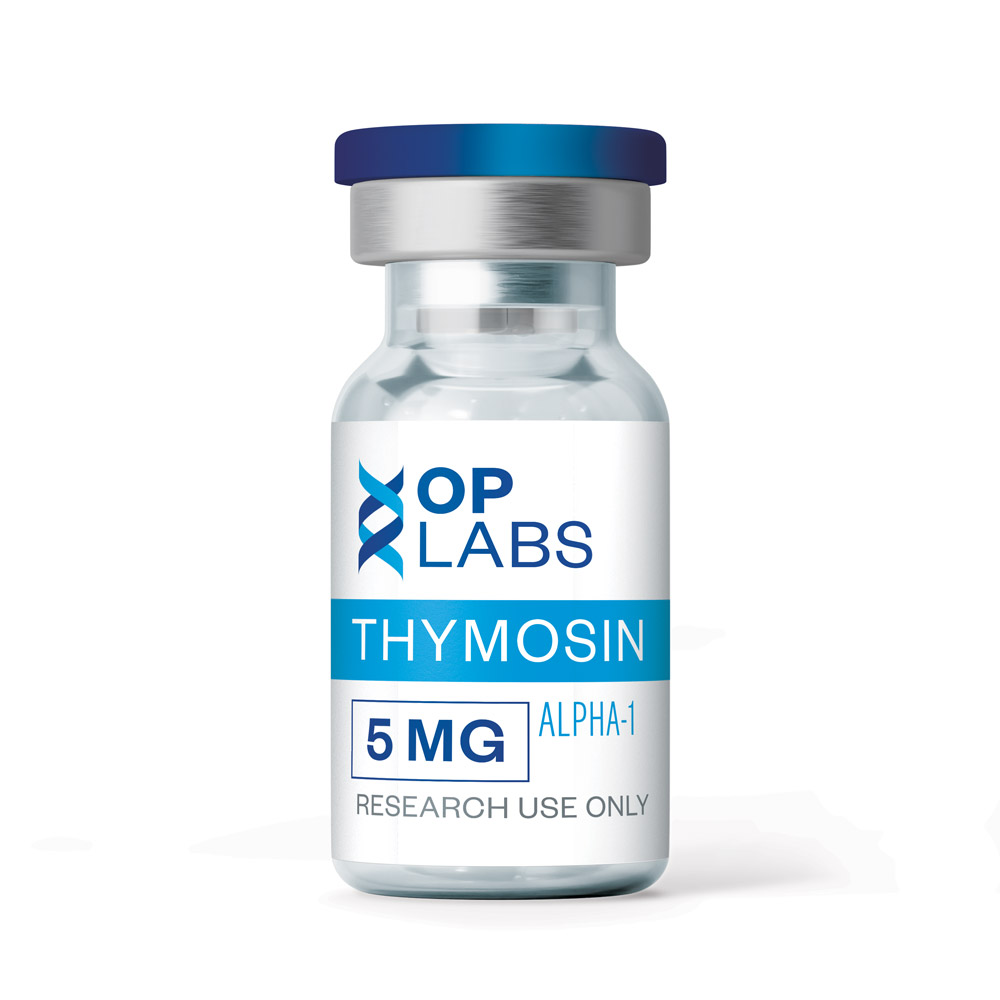
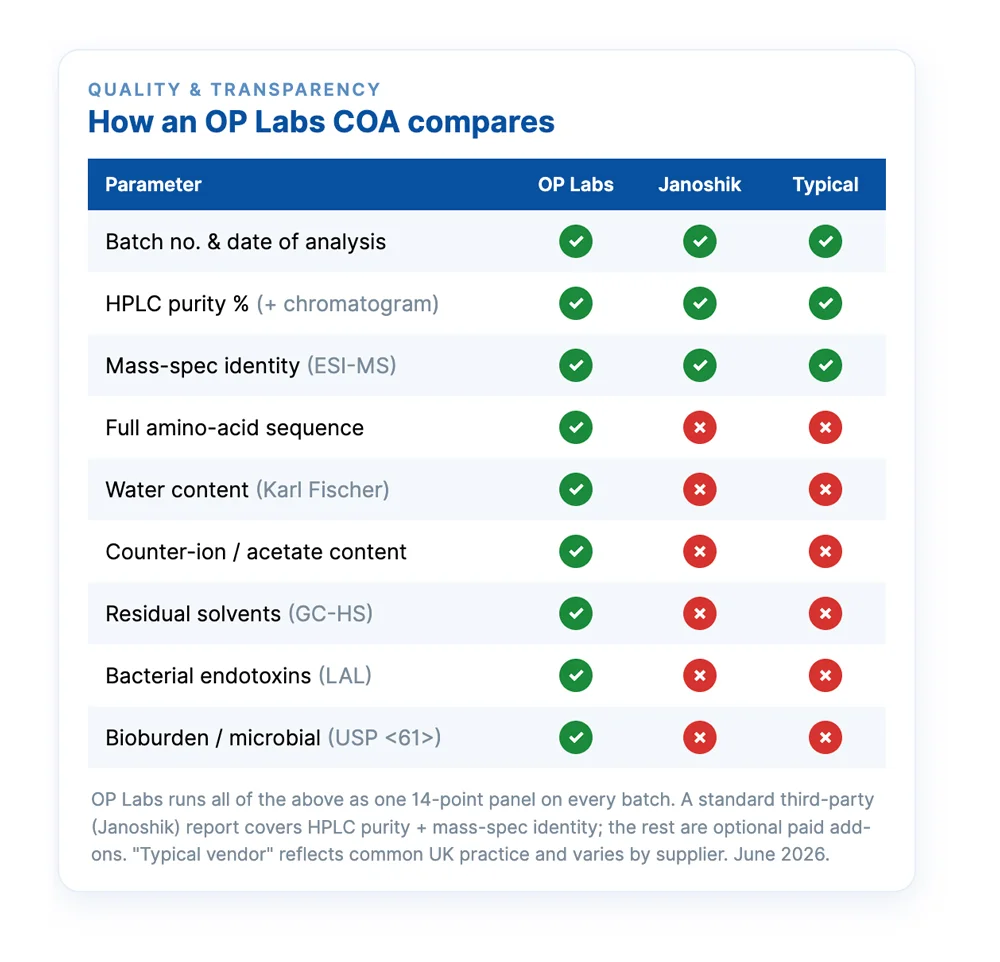
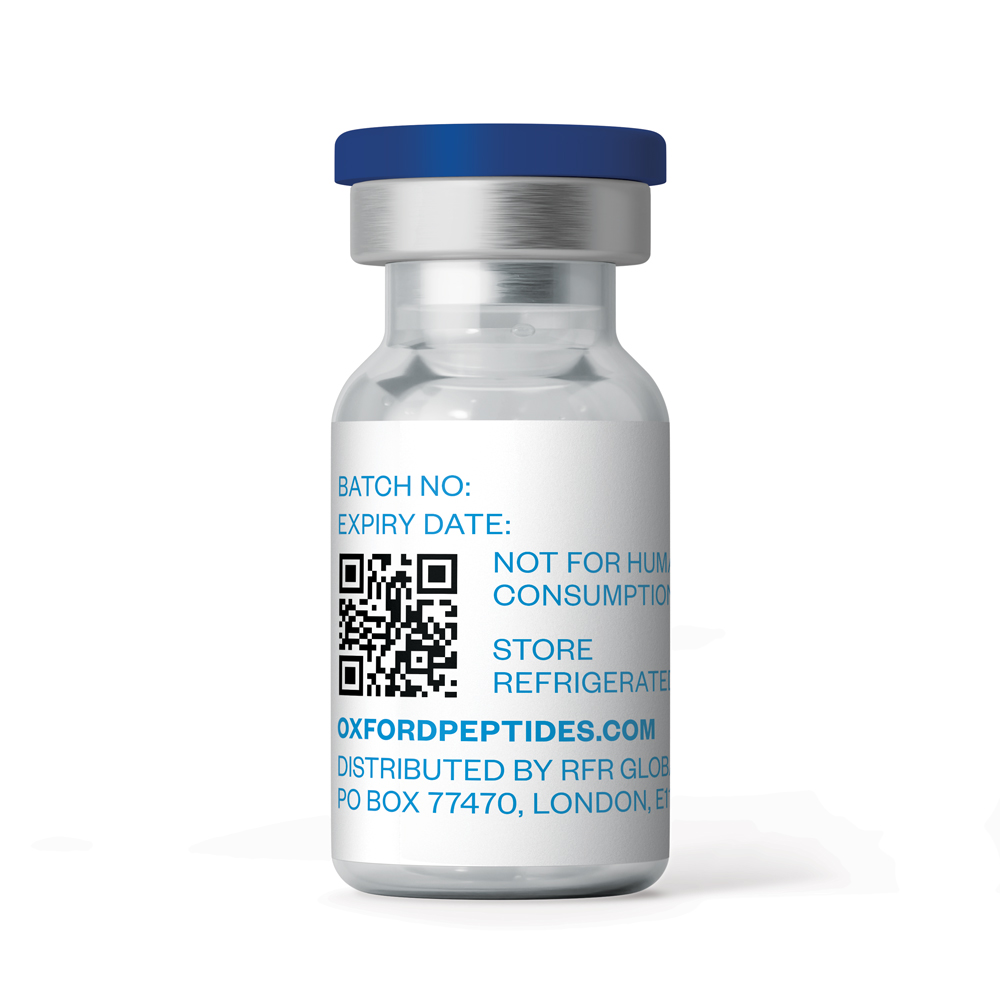

Representative specimen data. These are typical results for this product. Actual results are batch-specific and are printed on the certificate for the batch number on your vial. Research use only.
| Parameter | Result |
|---|---|
| Product name | Thymosin Alpha-1 |
| CAS number | 62304-98-7 |
| Molecular formula | C129H215N33O55 |
| Molecular weight | 3108.32 g/mol |
| Appearance | White to off-white powder |
| Test method | RP-HPLC (C18), UV detection at 220 nm |
| Purity (HPLC) | 98.82% (specification ≥ 98.5%) |
| Mass-spec identity | ESI-MS (positive): [M+2H]2+ 1555.2, confirming 3108.32 g/mol |
| Water content | 4.1% (Karl Fischer, specification ≤ 10.0%) |
| Analysis date | Representative specimen — the analysis date is printed on each batch certificate |
- OP Labs formerly Oxford Peptides
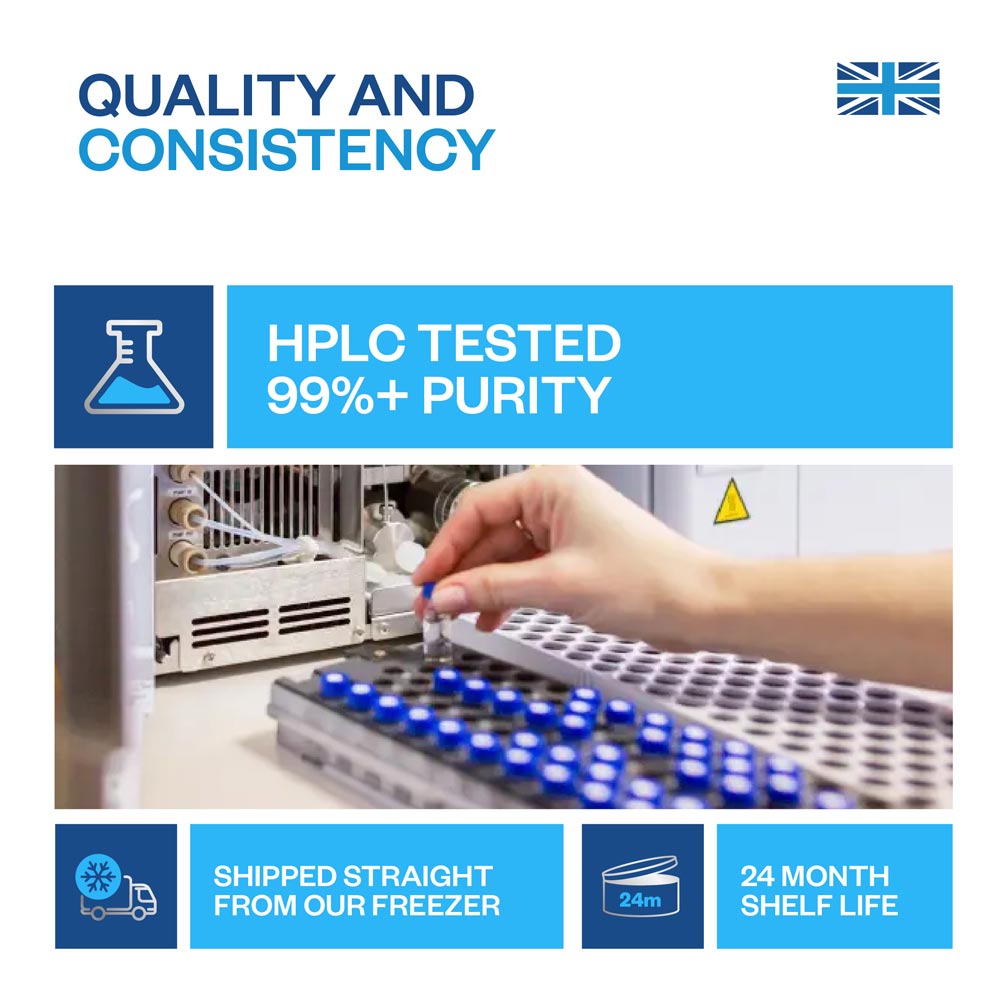
- Batch HPLC tested at 98.5%+ purity
- Store frozen long term or in fridge when ready to be used
- Sold for research purposes only
- Contact us for Wholesale Orders
Search our database for full COA analytics here.
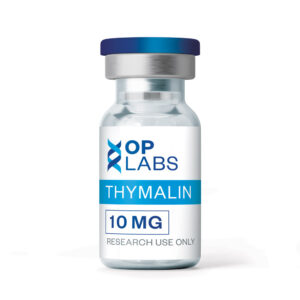
Thymosin Alpha-1
Synonyms / Designations: Thymosin Alpha-1, Tα1, Thymosin α1, Thymalfasin
CAS Number: 62304-98-7
Molecular Formula: C129H215N33O55
Molecular Weight: ~3108.32 g/mol
Peptide Length: 28 amino acids
Peptide Type: Synthetic immunomodulatory peptide (thymic peptide analogue)
Purity: ≥ 99 % (HPLC, typical)
Appearance: White to off-white lyophilised powder
Pack Size: 5 mg (typical)
Storage: Desiccated, protected from light, stored at –20 °C or below
Solubility: Soluble in water and buffered aqueous solutions
Description & Mechanism
Thymosin Alpha-1 is a synthetic 28-amino-acid peptide corresponding to an active fragment of the endogenous thymic hormone prothymosin-α. It is widely used in experimental research to investigate immune system regulation, peptide–receptor interactions, and intracellular signalling pathways involved in innate and adaptive immunity.
In biochemical and cellular research systems, Thymosin Alpha-1 has been shown to modulate immune-related signalling pathways, including those associated with antigen presentation, cytokine expression, and T-cell differentiation. Experimental studies commonly examine its influence on toll-like receptor signalling, NF-κB activation, and interferon-related pathways. Observed molecular responses are dependent on concentration, exposure duration, and experimental model.
Applications in Research
- As a molecular probe for studying immune modulation and thymic peptide signalling.
- Investigation of innate and adaptive immune pathway regulation in cellular models.
- In vitro studies examining cytokine signalling, antigen presentation, and T-cell activation.
- Use as a reference peptide in immunology, inflammation, and host-defence research.
Specifications Summary
Purity (HPLC): ≥ 99 %
Appearance: White to off-white lyophilised powder
Molecular Weight: ~3108.32 g/mol
Peptide Type: Synthetic thymic peptide analogue
Solubility: Water, buffered aqueous solutions
Storage: –20 °C, desiccated, protected from light
Pack Size: 5 mg
Handling, Reconstitution & Stability
- Weigh under dry conditions; peptide is hygroscopic.
- Reconstitute in sterile water or appropriate buffered aqueous solution.
- Avoid vigorous agitation during dissolution.
- Filter sterilize if required (e.g. 0.22 µm) prior to use.
- Aliquot and store reconstituted solutions at –20 °C or lower.
- Avoid repeated freeze–thaw cycles.
Precautions & Notes
- Experimental behaviour is influenced by immune cell type, receptor expression, concentration, and exposure duration.
- Buffer composition, pH, and ionic strength may affect peptide stability.
- Appropriate controls are recommended.
- Intended strictly for laboratory research use.
References
Goldstein A.L. et al. Thymosin alpha 1: biological activity and clinical applications. Annals of the New York Academy of Sciences, 2007.
https://pubmed.ncbi.nlm.nih.gov/17660844/
Romani L. et al. Thymosin alpha 1 activates dendritic cells for antifungal Th1 resistance. Blood, 2004.
https://pubmed.ncbi.nlm.nih.gov/15026312/
Garaci E. et al. Thymosin alpha 1 in immune regulation. International Journal of Immunopharmacology, 1998.
https://pubmed.ncbi.nlm.nih.gov/9802921/
Keywords: Thymosin Alpha-1, Tα1, Thymalfasin, Immunomodulatory Peptide, Synthetic Thymic Peptide
Mister Wang (Verified Purchase) –
Neil (Verified Purchase) –
kasha Grimes (Verified Purchase) –
Andy Holton (Verified Purchase) –
Awesome
Anonymous (Verified Purchase) –
Very good service and very helpful customer service
Nick (Verified Purchase) –
The aftersales service provided by Bella at OP has been superb (regarding a delivery query).
I have ordered from OP twice previously and they have always been super fast in despatch and the products of great quality and well packaged.
The products are also competitively priced – perfect for my research.
GARRY BLACKSTONE –
Excellent product
James H. –
Alex Evans –
Kate R. –
Amazing product for immunity, much needed at this time of year. Excellent company!
Ronald Ogle –
Brilliant product range and speedy delivery. First class.
GARRY BLACKSTONE –
Anonymous –
Super quick dispatch and delivery
Ian R. –
I use it all the time.
Michelle Moody –
A must-have.
Tara –
Arrived fast, very pleased.
Ruth –
Got it fast, very pleased with the quality.
Gail –
Delivered much faster than expected.
Leonie S. –
Fast delivery, very impressed.
Sarah –
Truly amazing.
Bethany H. –
So pleased with this purchase.
Anonymous –
IÕm loving this product.
Elise Kelly –
IÕm thrilled with the results.
Viki B. –
Top quality.
Sophie Palmer –
Super happy with my purchase.
Gemma A. –
IÕm a fan.
Katie Millington –
Delivers as promised.
Amy –
Works perfectly as expected.
Emma –
Excellent choice.
Miss Candace Blamires –
DidnÕt last as long as it should.
James H. –
GARRY BLACKSTONE –
Brilliant product
Jeanne Priebe –
Quick delivery and a broad spectrum of peptides. Thank you . ü§©
Aaron Chin-You –
GARRY BLACKSTONE –
Sorted out my immune system
Angela –
Super happy I found this.
Lucy –
Outstanding quality.
Leonie –
A must-buy.
Emma B. –
IÕm really pleased with this.
Kendal Thompson –
Excellent quality.
Connie Taylor –
Happy customer.